
Paulding County Criminal History Checks
Start with the kind of record needed. The Paulding County clerk keeps filed felony and misdemeanor cases. The sheriff keeps agency reports, current jail data, and its consent-based Georgia history service. City police departments hold their own incident reports. The Georgia Bureau of Investigation's Georgia Crime Information Center, or GCIC, receives fingerprint-linked arrest cycles and reported outcomes from across the state.
Collect the full name, spelling variants, approximate date, date of birth when lawfully available, and any case, booking, or citation number. Then read each count and status. A calendar entry is not an outcome, and a charge recorded at jail intake may change when prosecutors file a case.
A useful Paulding County search follows five layers. Superior Court is the felony source, while State Court handles misdemeanor and traffic files. Magistrate Court covers warrant applications and first appearances. Dallas, Hiram, and Braswell municipal courts keep eligible city matters. Sheriff records cover reports and custody, and Georgia systems add statewide court routing or repository history. Start at the narrowest correct layer, then move outward only when the question requires it.
- Decide whether the question concerns a report, booking, court file, statewide history, or corrections record.
- Search or contact the office that created that record.
- Match the person with dates, agency, and case identifiers.
- Open the detail and read every charge and disposition.
- Request a signed or certified disposition when proof matters.
Three Paulding Record Custodians
Much of Paulding County's justice work sits on Constitution Boulevard in Dallas, but each office holds a different piece. The Sheriff's Records Division at 180 Constitution Boulevard keeps sheriff reports and jail materials. County administration is at 240. The Judicial Building at 280 houses the clerk and courts. Close addresses do not make their files interchangeable.
Room 1023 in the Judicial Building is the practical counter for a Superior Court criminal file. The clerk's main number is 770-443-7527, while the Judicial Division lists 770-443-7529 for criminal indictments. Public counter hours are weekdays from 8 a.m. to 5 p.m. Call ahead when an older Paulding County case may require paper, imaging, or off-site retrieval. Parking, device-storage rules, and courthouse screening details were not fully published in the inspected sources.
Sheriff's Records Division
180 Constitution Boulevard, Dallas, GA 30132
770-443-3010
Weekdays, 8:00 a.m. to 4:30 p.m.
Superior and State Court Clerk
280 Constitution Boulevard, Dallas, GA 30132
770-443-7527
Felony, misdemeanor, and traffic files
The county's public-records request page identifies the sheriff channel.
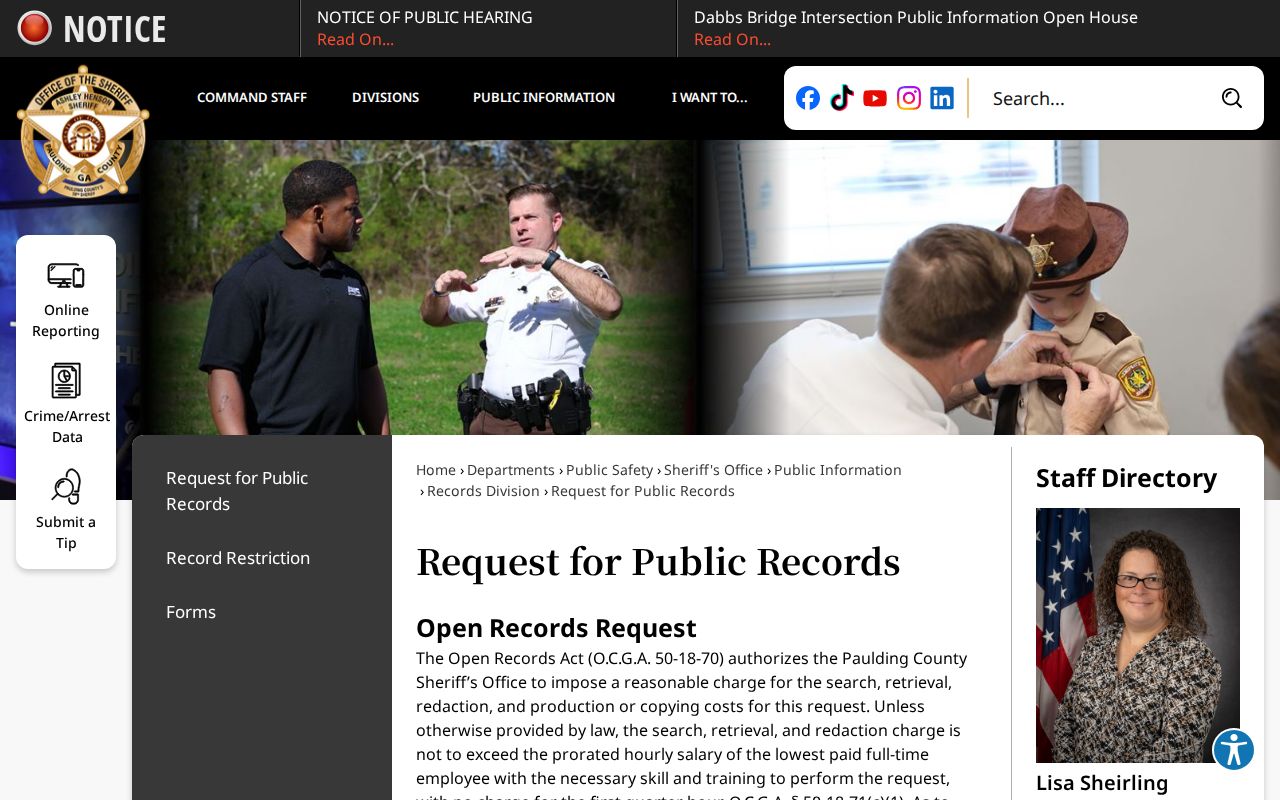
That official route serves reports that are not offered through a historical name search.
Official Background Checks in Georgia
Georgia offers products with different scope. The Paulding County Sheriff's Office performs a consent-based Georgia history check with its current authorization form. The published price is $10 for a Paulding resident and $20 for a nonresident. Georgia Felon Search is a paid public transaction for felony convictions disclosed under O.C.G.A. § 35-3-34(d.2). It is not a full rap sheet.
The sheriff check and Georgia Felon Search should not be treated as substitutes for a Paulding County court file. The public felony portal can return disclosed Georgia felony convictions when a search includes full name, date of birth, sex, and race. The sheriff's consent form supports a broader agency check under Georgia rules. A signed clerk disposition remains the best source for what happened to each charge in a known local case.
| Channel | Best fit | Scope |
|---|---|---|
| Paulding Sheriff | Consent-based check | Georgia data available to the agency |
| Georgia Felon Search | Public felony query | Georgia felony convictions |
| GAPS/IdentoGO | Own-record or authorized check | Scope set by service code |
| FBI summary | Review one's own FBI record | Fingerprint-linked FBI submissions |
The Georgia Felon Search form asks for first and last name, date of birth, sex, and race.
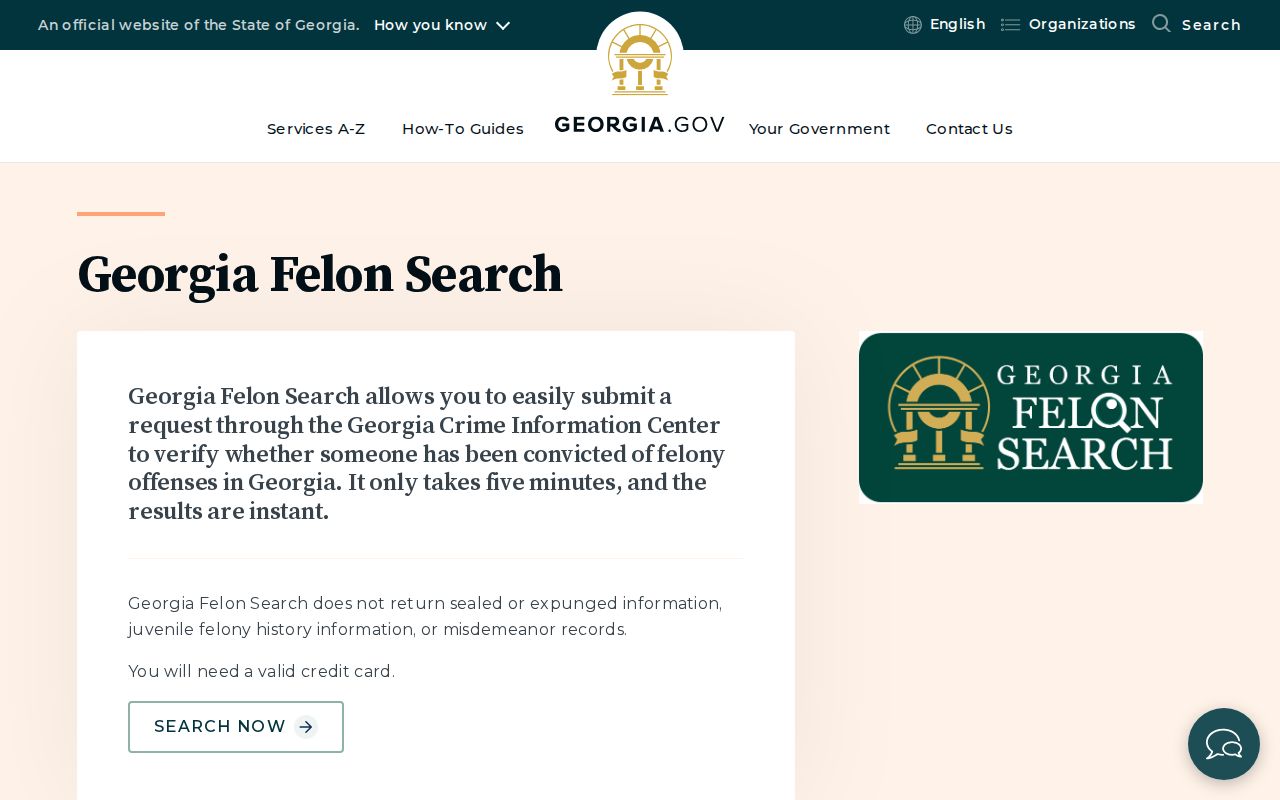
A no-record response does not rule out arrests, misdemeanors, federal matters, or restricted entries.
Paulding Fingerprint Record Review
Georgia Applicant Processing Service, run through IdentoGO by IDEMIA, captures electronic fingerprints. Obtain the correct service code from the authorized agency or personal-review instructions. That code controls scope and delivery. Register, choose a current site, bring valid photo identification, and ask the receiving agency how it will provide the result. GCIC says results usually reach the authorized agency within 24 to 48 hours after fingerprint submission.
Fingerprints reduce the risk of matching the wrong person who shares a name or birth date. GCIC connects fingerprint-supported arrest cycles to a Georgia State Identification number and uses an Offender Tracking Number to tie an arrest to later prosecution and disposition reporting. If a personal history contains a wrong or missing outcome, obtain the source document from the Paulding County clerk or arresting agency before asking GCIC to correct the repository entry.
The GAPS registration portal begins with the service code.
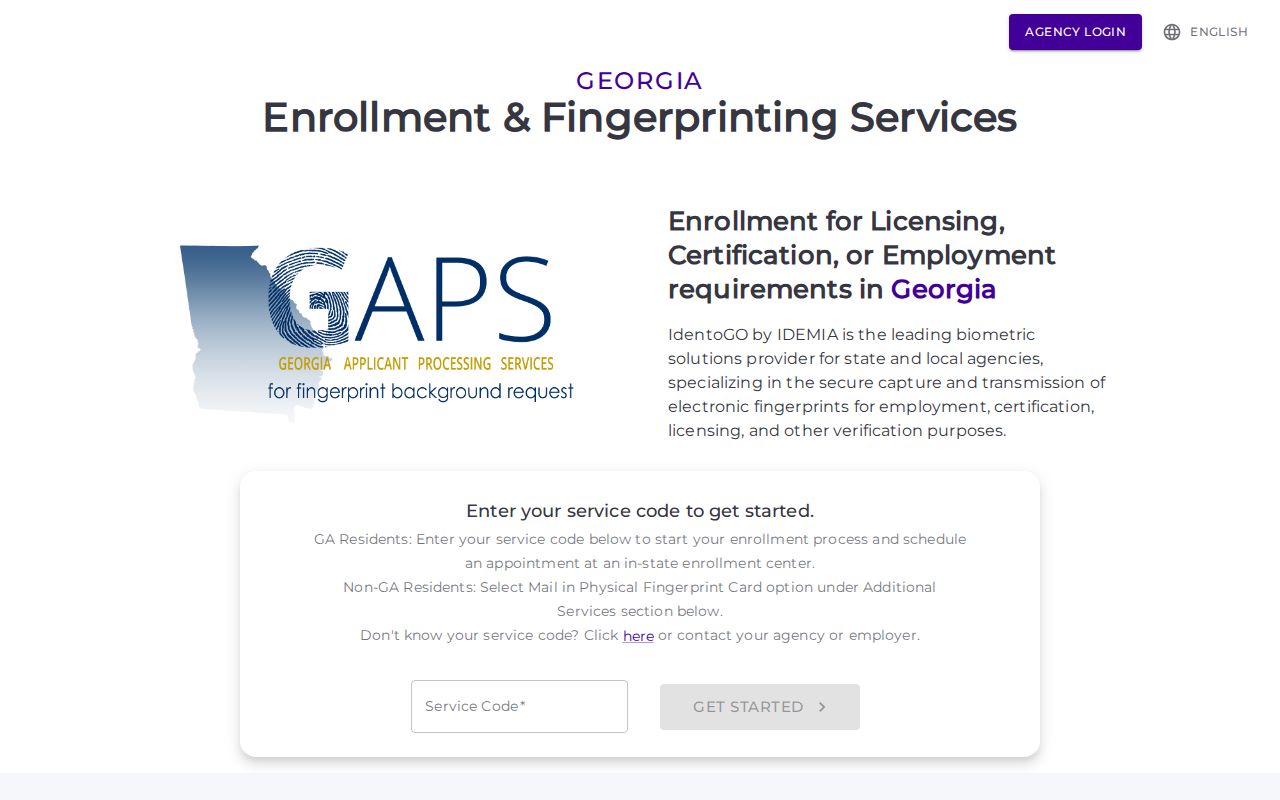
Because totals vary by purpose, rely on the registered checkout amount instead of one universal price.
Kinds of Paulding County Criminal Records
A record type reflects the event and office that created it. Police reports describe an investigation. A jail booking records intake and custody. A clerk file records formal charges and count-by-count results. GCIC history joins reported fingerprint-supported arrest cycles with outcomes. Warrant, corrections, supervision, and registry systems answer different questions.
Paulding County also splits criminal case records by jurisdiction. Superior Court hears felonies. State Court covers misdemeanors and traffic cases, but its online payment view omits nonpayable citations. Magistrate records can show preliminary criminal steps without becoming the lasting felony file. Municipal citations stay with the issuing city unless the case moves to a county court. Federal cases from Paulding County belong in the Rome Division, not Dallas.
- Incident report: the originating law enforcement agency's narrative.
- Booking record: jail intake, initial charges, and current custody.
- Court file: pleadings, events, pleas, outcome, and sentence.
- GCIC history: reported statewide arrest cycles and dispositions.
- Supervision record: jail, corrections, probation, or parole status.
Paulding Jail Data Is Not Conviction
The Paulding County Online Offender Lookup covers people currently held at the detention center. The county says a user may search by name or book-in date and see name, arrest date, and charges. Released people disappear. The tool therefore answers a current-custody question, not a full historical-arrest question.
The Detention Center is a 631-bed facility opened in 2020. Its roster can change before a court docket catches up, since intake happens first and formal charging comes later. For a sheriff report, use the Records Division by email, fax, mail, or in person. Ordinary case reports are described as available in three to five business days, subject to lawful redaction and release limits. Sheriff accident reports cost $5 cash at the counter.
For an older booking, request arrest and incarceration material from Sheriff's Records. For the result of a charge, use the Paulding County court case lookup. A roster removal does not say whether bond, transfer, sentence completion, dismissal, or another order caused release.
Paulding County Criminal Records: What They Contain
Fields vary by system. Identity details distinguish similar names. Event and agency fields connect a report with booking and court activity. Outcomes must be read count by count. Public copies may omit protected identifiers, victim data, juvenile material, and information covered by restriction or court order.
| Name and identifiers | Name, aliases, birth date, sex, race, and agency numbers where releasable. |
|---|---|
| Arrest and booking | Arresting agency, event date, intake date, and initial charges. |
| Case data | Court, case number, judge, filed counts, counsel, and events. |
| Disposition | Plea, dismissal, acquittal, nolle prosequi, or conviction by count. |
| Sentence | Custody, probation, fine, restitution, and related terms. |
Paulding Court E-Access Limits
Georgia has no single free and complete trial-court database. The Judicial Council directory points to participating courts and providers, some requiring an account. Paulding County's CASE SEARCH page routes users to the clerk's local search. If an old case or image is missing, call 770-443-7527 about paper, imaging, or off-site retrieval.
State Court publishes live calendars for criminal arraignments, traffic arraignments, pretrial compliance, bond forfeitures, pleas, motions, citations, and status settings. Those lists can confirm that a hearing is scheduled, but they do not establish a plea, dismissal, verdict, or sentence. The clerk's docket and signed order supply the outcome. Nonpayable citations may also be absent from the online payment view even though the court has a file.
Paulding County expanded State Court from one judge to two when Mason B. Rountree was sworn in on February 11, 2025. The adopted fiscal 2026 budget also shows staffing rising from six positions in actual 2024 to eight in amended 2025 and proposed 2026. This milestone helps explain the wider set of published calendars, but added schedule access still does not turn a calendar into a case history. Searchers must open the clerk record for the count-level result.
The Georgia court e-access directory identifies available systems.
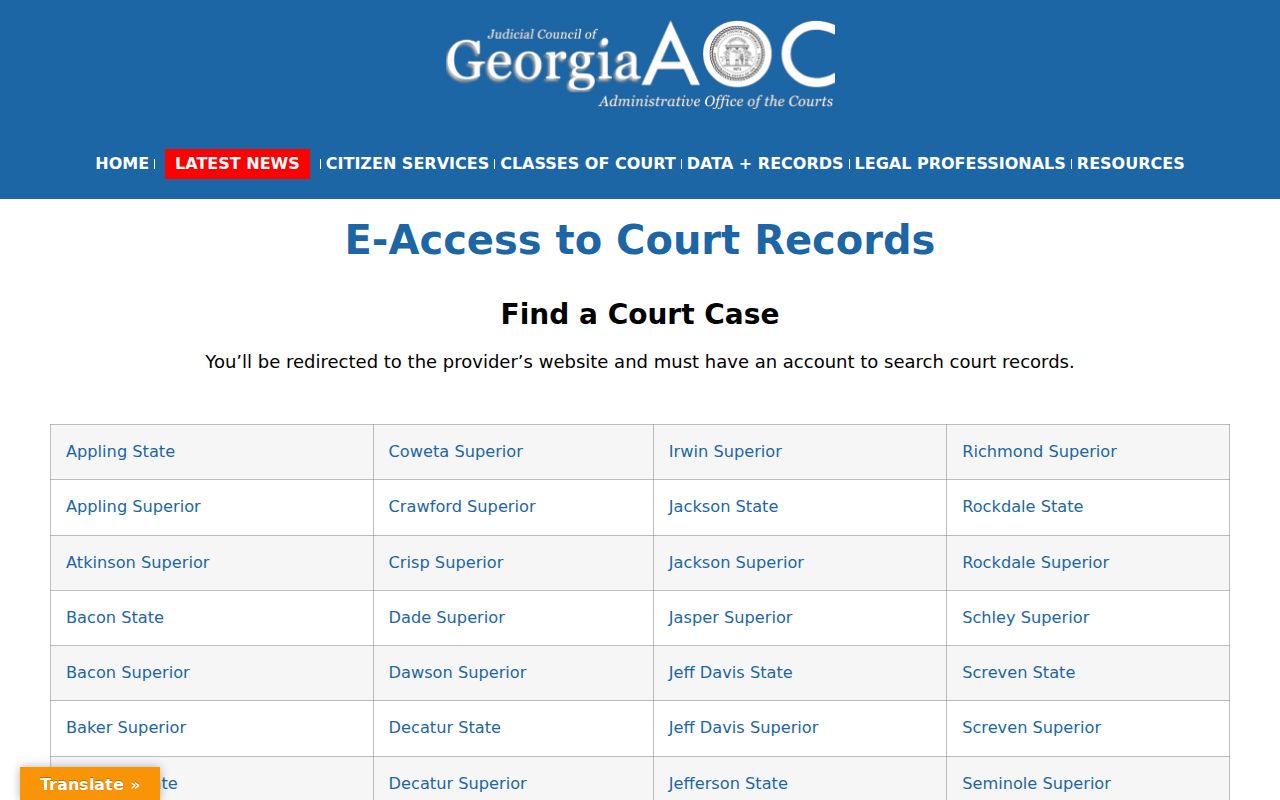
It routes searches; it does not prove that every Paulding County file is online.
Georgia Public Access Laws
The custodian matters under Georgia law. The sheriff responds for sheriff reports, the clerk controls court filings, a city holds city reports, and GCIC applies separate dissemination rules. Public access still permits lawful redaction or withholding of active-investigation, juvenile, victim-sensitive, personal, restricted, and sealed material.
Key laws and rules:
Georgia Open Records Act, O.C.G.A. §§ 50-18-70 through 50-18-77 presumes agency records open unless exempt.
O.C.G.A. § 35-3-34 governs GCIC dissemination.
O.C.G.A. § 35-3-37 governs correction and restriction.
Superior Court Rule 21 governs orders limiting court-file access.
Paulding Warrants Require a Visit
The sheriff does not provide public warrant information by telephone. Official guidance requires a person to appear at the Paulding County Sheriff's Office with identification for a warrant check. A bench warrant tied to a missed city or county court date may also require the issuing clerk. This is crucial for a person seeking to resolve their own status.
The Warrants and Civil Division at 180 Constitution Boulevard executes criminal arrest warrants and assists other agencies. Its published office number is 770-443-3049. The sheriff tip line, 770-443-3047, is for information about a wanted person, not a substitute for a personal warrant check. Superior, State, Magistrate, and municipal courts may issue different warrants, so the issuing court and case number matter.
Do not rely on an unofficial list or treat an absent web result as proof that no warrant exists. Ask the issuing office and seek legal advice when surrender, bond, or a court appearance may be involved.
Restricted, Sealed & Record-Restricted Records
Georgia's principal term is record restriction, not automatic erasure. O.C.G.A. § 35-3-37 may limit dissemination of eligible GCIC information. Court sealing is separate and can limit access to specified court material. Restriction does not automatically destroy each police, jail, or independent record.
Obtain the final Paulding disposition and a personal GCIC history. Compare each charge, case number, agency, and outcome. Some non-convictions use an administrative path; eligible conviction relief may require a court petition. After relief, verify both clerk and GCIC results.
A useful correction packet includes the arresting agency, Offender Tracking Number when shown, Paulding County case number, exact charge, disposition date, and a certified or signed outcome. One arrest cycle can contain several counts with different results. A dismissal on one count does not establish that every count qualifies. If court sealing is also sought, identify the specific file material and legal basis because Uniform Superior Court Rule 21 calls for a tailored access order.
The county's record restriction page explains the local route.
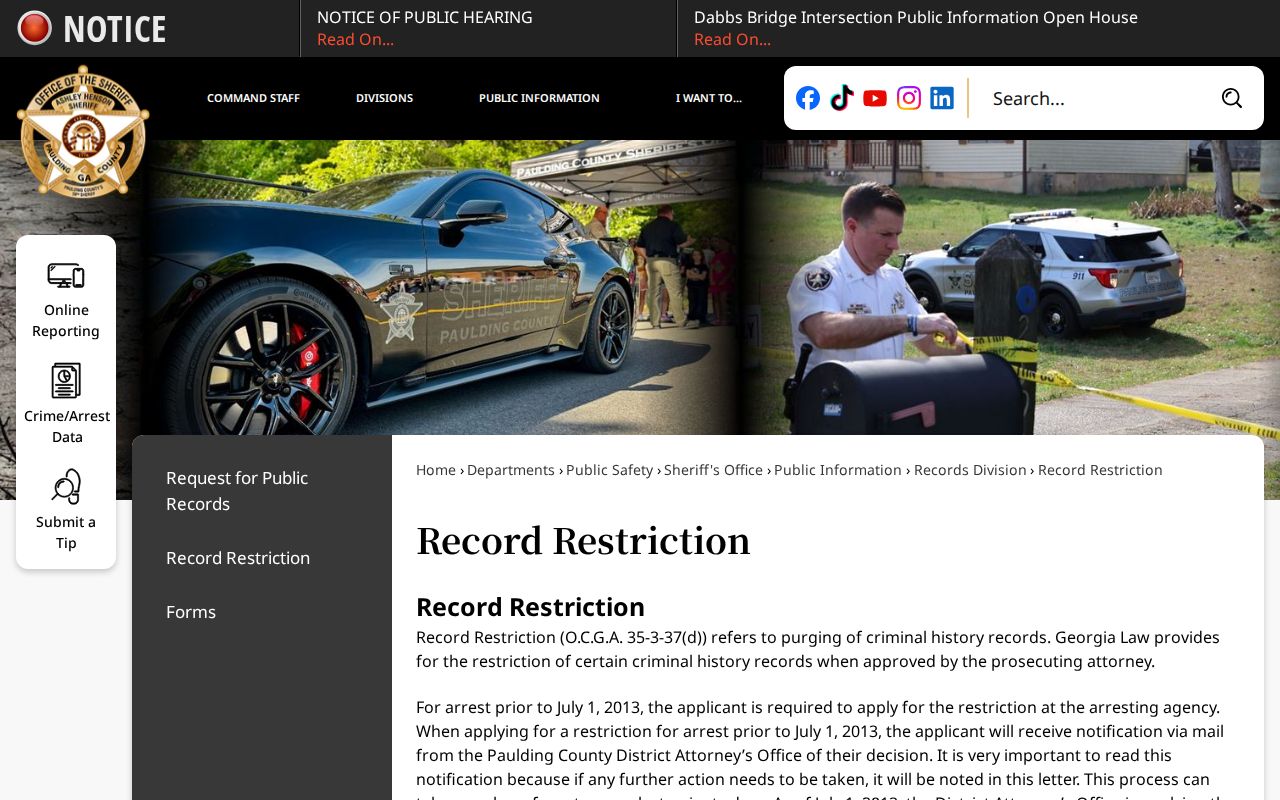
Eligibility follows the exact disposition, not just the arrest label.
Paulding Custody and Supervision
A person sentenced to more than one year becomes a Georgia Department of Corrections inmate, though transfer from the county jail can take time. GDC Find an Offender is the state channel after transfer. The Department of Community Supervision handles adult felony probation and parole field work, including the Paulding Field Office. The State Board of Pardons and Paroles makes parole decisions.
The DCS Dallas office is listed as a virtual office serving Paulding County and the Paulding Judicial Circuit. It publishes a post-office box and 678-224-4397, so call before attempting an in-person visit. Court records show the sentence and later revocation filings, while DCS manages supervision and the parole board makes release decisions. An old probation sentence does not prove that supervision remains active today.
The GDC offender search differs from the county roster.
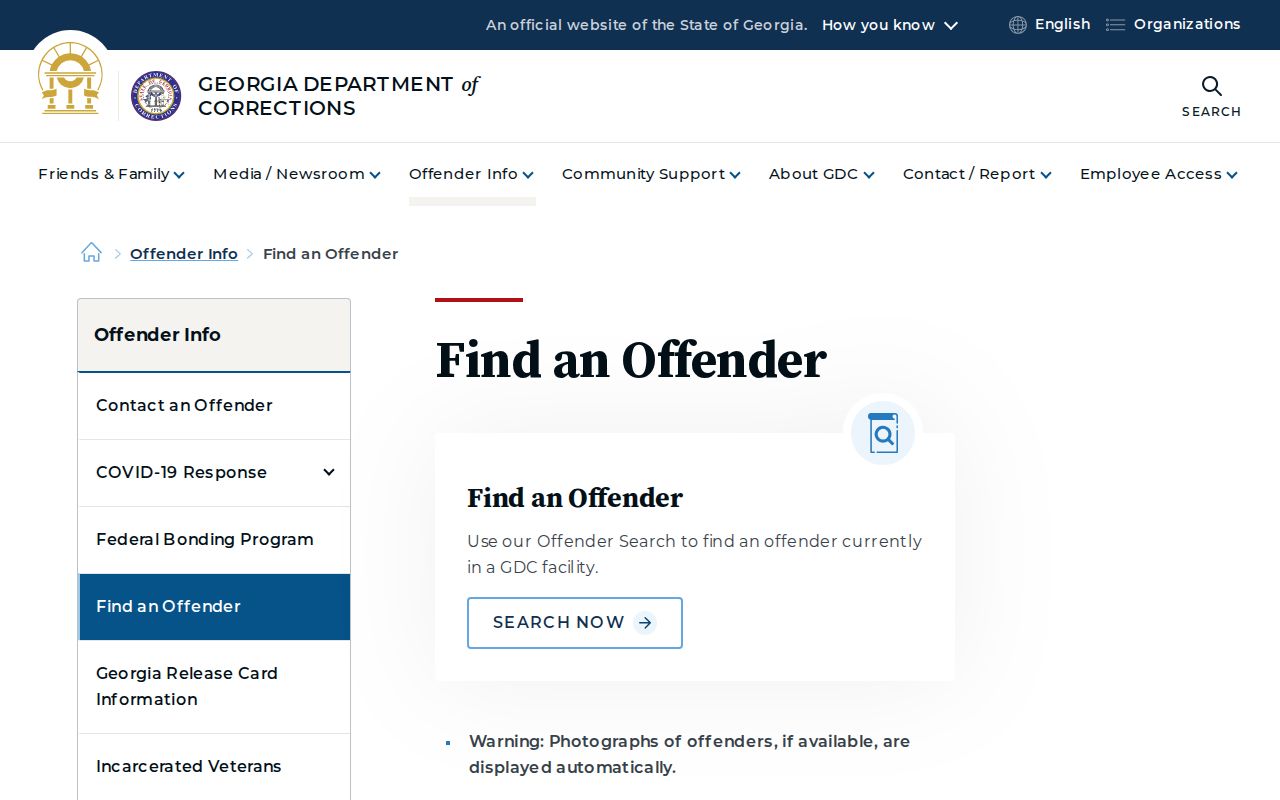
Use the county roster for current local custody and GDC for state custody.
The Georgia Department of Community Supervision explains field supervision.
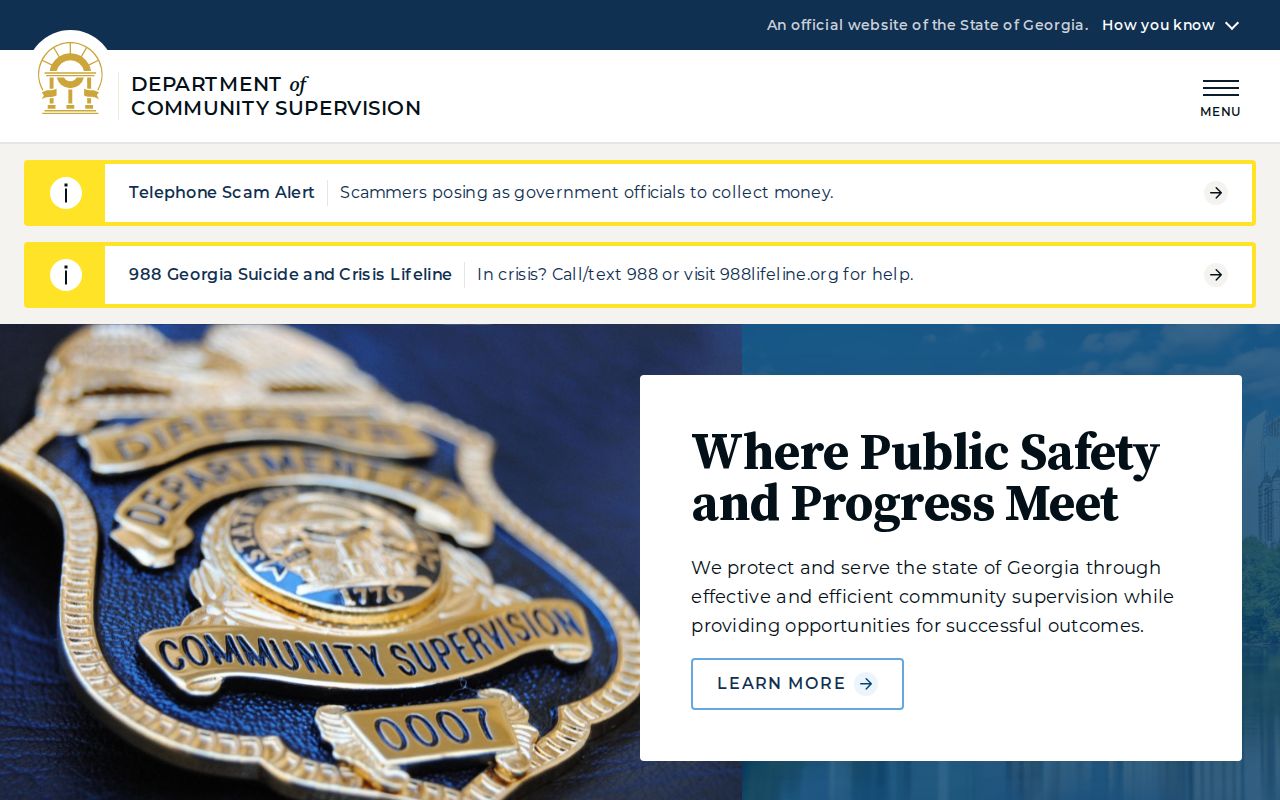
Its status is separate from the signed court sentence.
The Georgia State Board of Pardons and Paroles documents parole authority.
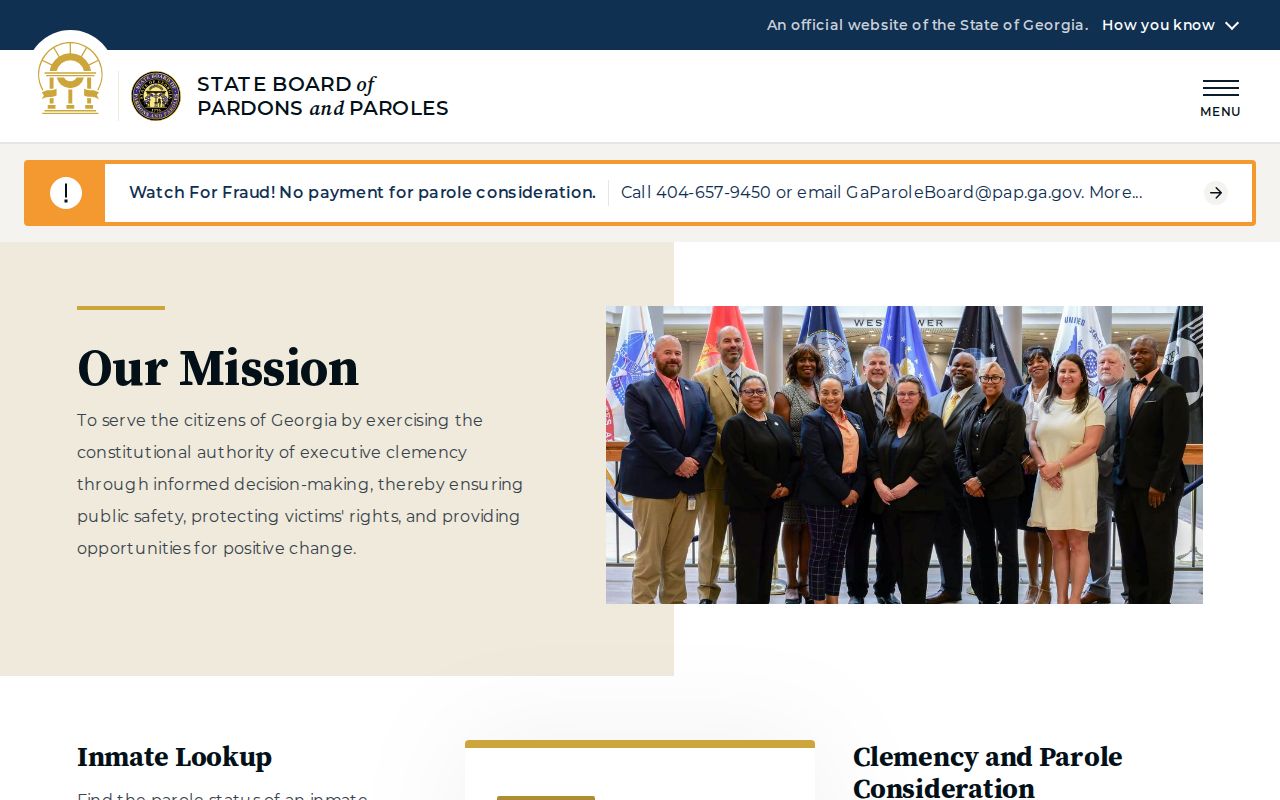
These layers explain why case, custody, and supervision dates may differ.
Federal Paulding Cases Go to Rome
Federal matters from Paulding County go to the Rome Division of the U.S. District Court for the Northern District of Georgia, not the clerk in Dallas. PACER is the official federal docket service. The courthouse is at 600 East First Street in Rome, with published weekday hours from 8:00 a.m. to 4:45 p.m. Government photo identification is required at entry.
PACER requires registration and can show federal docket entries and available documents. Free copies may also exist through the RECAP archive, but its coverage depends on what users previously contributed and cannot replace the official docket. The federal Bureau of Prisons locator answers a different custody question. It will not locate someone held at the Paulding County Detention Center or serving a Georgia prison sentence.
The PACER service provides federal court records.
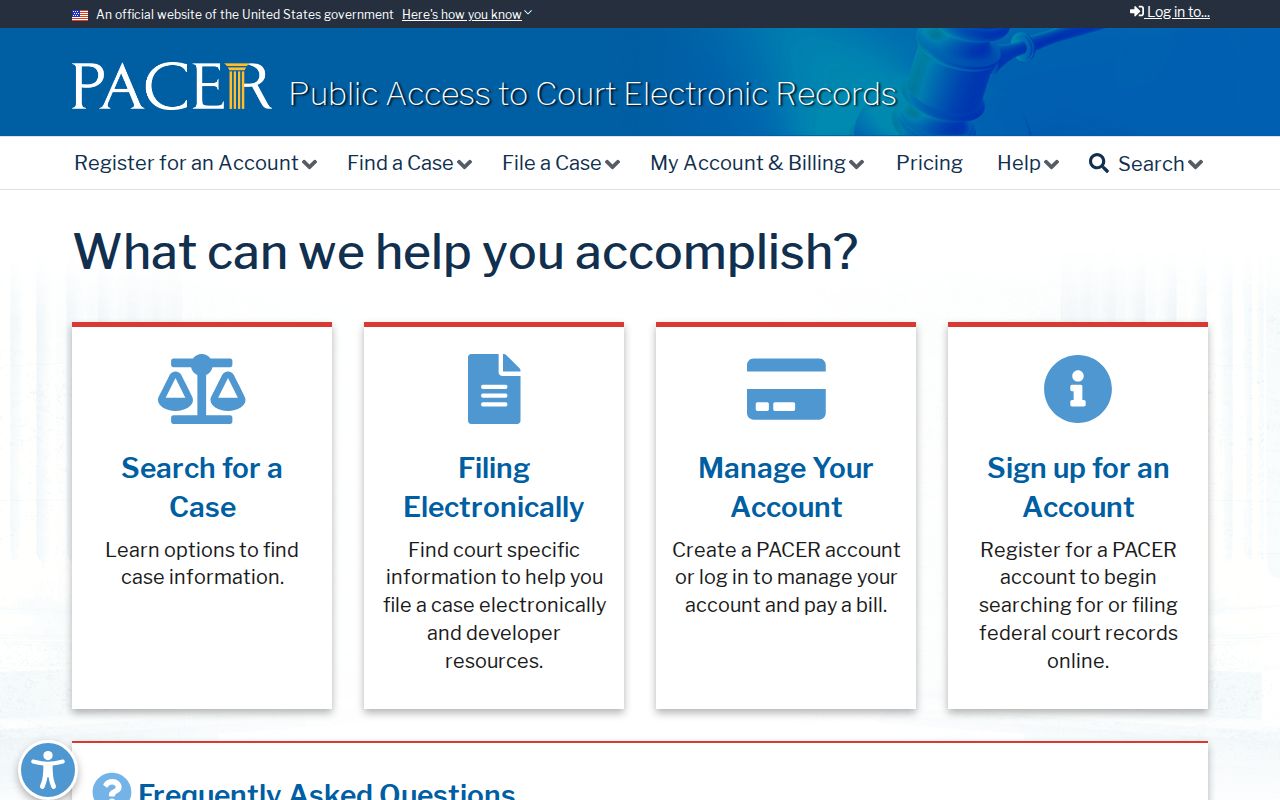
A missing county result may reflect federal jurisdiction rather than a missing file.
City-by-City Criminal Records in Paulding County
City limits decide which police department holds an incident report and which municipal court handles a citation. Dallas and Hiram maintain distinct police and court channels. Braswell spans Paulding and Polk counties, so its incident location must be checked before choosing a county court or jail. A postal city name alone may not establish police jurisdiction.
Dallas, the county seat, routes police reports through its city department and keeps municipal citations at its court. Hiram publishes separate named custodians for police and court records, which makes correct routing especially important. Braswell's two-county geography requires the incident location and arresting agency before a requester assumes Paulding County holds the booking or prosecution. Serious city arrests can move into county courts even when the first report remains with city police.
Dallas Record Check
15,402 in the 2025 estimate. Police and court share a Main Street location.
Hiram Record Check
4,929 in the 2020 Census. Police and court records have separate custodians.
Braswell Record Check
355 in the 2020 Census. The city crosses two counties.